
Table of contents
Picture this: your business is doing well, your chargeback ratio is healthy and then your only acquiring bank decides to exit your industry. Thirty days' notice, and you're on your own. It happens more often than people think, and it isn't always about anything you did. Payment orchestration exists so that it never takes your checkout down with it.
The single-acquirer problem
Banks review their portfolios regularly. A new compliance officer, a change in regulation or a bad experience with another merchant in your sector can all lead to a whole category being dropped. If all your volume runs through that one bank, all your revenue is at risk.
What smart routing does
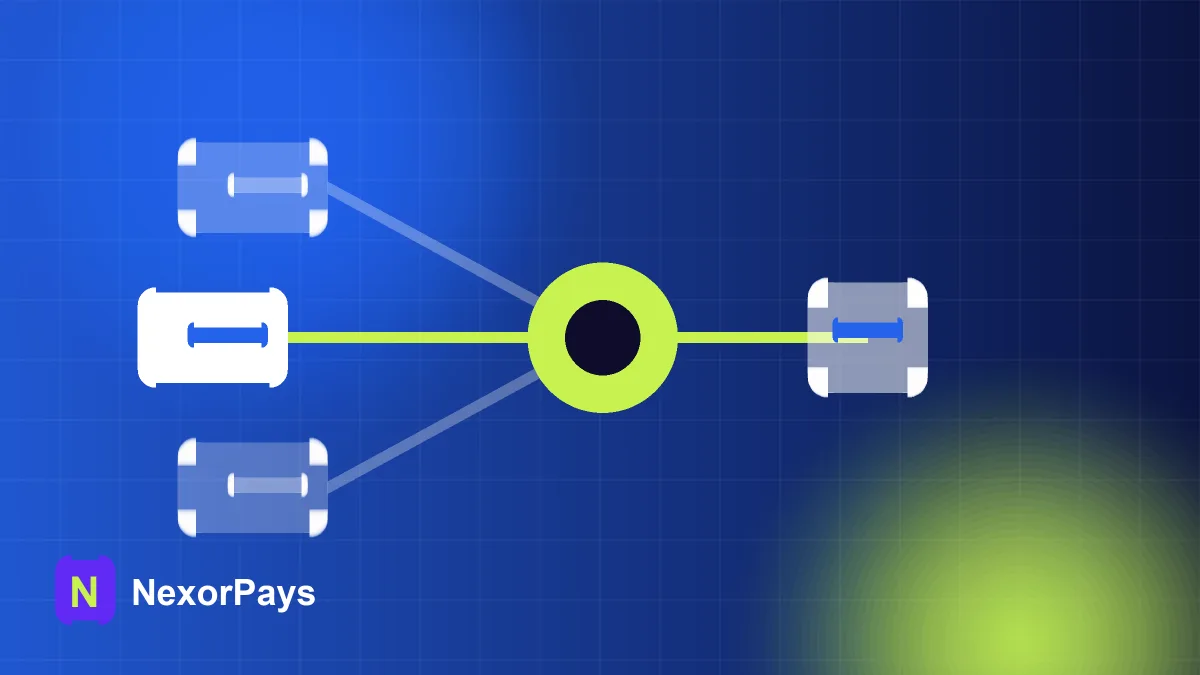
With two or more acquirers connected through a single orchestration layer, each transaction can be sent to the bank most likely to approve it. Routing decisions can be based on:
- The card's issuing country and card type
- Transaction currency and amount
- Live approval rates for each acquirer
- Each acquirer's monthly volume cap
If an attempt is soft-declined, for example because an issuer's system timed out, the payment can be retried through a second acquirer without the customer re-entering their card.
Why approvals go up
Different banks have different relationships with different issuers. A card from a Brazilian bank might sail through a Latin American acquirer and struggle elsewhere. Routing takes advantage of that. For cross-border merchants, it can make a noticeable difference to the number of good customers who get through checkout. We go deeper on this in why foreign cards get declined.
Redundancy isn't a luxury in high-risk processing. It's insurance you hope never to claim on.
It also makes life simpler
Without orchestration, each acquirer means another integration, another dashboard and another set of reports to reconcile. With it, you have one API, one reporting view and one place to manage refunds, whatever is happening behind the scenes.
Is it right for you?
If you process a few thousand dollars a month, one well-matched acquirer is usually enough to start. Once you're past roughly $100,000 a month, or selling into several regions, a second acquirer starts to pay for itself.
NexorPays payment orchestration connects you to multiple acquirers through one integration, and we can add new partners as you grow.
Written by
Admin
Part of the NexorPays team, writing about payments, growth and building better checkout experiences.